
Gifts by Recipient
Meaningful Gifts for a Partner Who Has Everything
Sep
A practical guide to choosing a gift that creates connection instead of adding more possessions
Finding a gift for a partner who seems to have everything can feel surprisingly difficult. They may already own the things they need, buy what they want for themselves, or simply have no interest in adding more possessions to their life.
In this situation, spending more money rarely solves the problem. The most meaningful gifts for a partner who has everything are usually connected to the relationship itself. They may create time together, preserve a shared memory, solve a small everyday frustration, or show that you have been paying attention to something your partner values.
The goal is not to find something they could never buy. It is to choose something they would not have chosen in quite the same way for themselves. This guide will help you move beyond generic product lists and find an idea that feels personal, useful, and appropriate for your relationship.
1. The Short Answer
For a partner who has everything, choose a gift that does one clear job: creates time together, preserves a meaningful memory, supports an existing interest, improves a familiar routine, or removes a burden. Begin with what you know about the person and the relationship, then select the simplest gift that carries that meaning.
Good directions include a thoughtfully planned experience, a carefully edited memory gift, a quality upgrade to something they already use, a consumable they genuinely enjoy, or practical help that gives them time and ease. Avoid expensive novelty items, generic personalization, and gifts that create storage, maintenance, or scheduling work.
Read more: How to Choose a Meaningful Gift for Anyone
2. Why Is It So Difficult to Buy for a Partner Who Has Everything?
The phrase “has everything” rarely means that your partner owns every possible product. It usually means that ordinary shopping logic is no longer useful. Your partner may buy things as soon as they need them, have very specific tastes, prefer experiences, dislike clutter, or feel uncomfortable receiving expensive gifts.
These situations require different answers. A partner who dislikes clutter may appreciate an experience or service. Someone with technical hobbies may prefer to help choose the exact item. A busy partner may value a gift that protects their time. A sentimental partner may care most about a specific memory and the words that accompany it.
The useful question is not What can I buy for someone who owns everything? Ask instead What would make my partner feel understood, supported, or closer to me?
3. What Makes a Gift Meaningful to a Partner?
A meaningful gift usually reflects accurate knowledge. It connects to the recipient’s preferences, routines, values, interests, memories, or current life. The object itself may be ordinary; the fit is what makes it personal:
- It reflects something you know about your partner rather than a stereotype about partners in general.
- It represents a shared experience, private memory, or part of your story together.
- It supports an interest without taking control of that interest.
- It makes an existing routine more comfortable, enjoyable, or convenient.
- It creates protected time together or meaningful time for themselves.
- It communicates appreciation in a way that feels welcome and proportionate.
Meaning comes from connection, not rarity. A widely available book can feel personal when it relates to a conversation you shared. A simple dinner can become meaningful when it recreates an important moment. An everyday object can feel special when it solves a small frustration your partner mentioned several times.
Read more: Gifts by Recipient
4. Start With the Relationship, Not the Product
Before searching for products, spend a few minutes gathering evidence from your shared life. This prevents you from choosing a gift based only on popularity, packaging, or price:
- What moment from our relationship do we both remember fondly?
- What does my partner choose to make time for?
- What do they complain about but never replace, repair, or improve?
- What experience have they mentioned wanting to try?
- What makes them feel cared for: time, words, help, touch, surprise, or practical support?
- Do they enjoy surprises, or would they rather help make the final choice?
- Is there something they would enjoy but consider too indulgent to buy for themselves?
Look for repeated signals rather than one passing remark. Also notice how your partner gives gifts. People often emphasize the kind of care they value themselves, although this clue should never replace what they have told you directly.
5. Meaningful Experience Gifts
Experiences are useful for someone who does not need more possessions, but an experience is not automatically personal. It should suit your partner’s energy, interests, schedule, accessibility needs, and comfort with surprises.
5.1 Recreate a Meaningful Date
Return to a favorite restaurant, revisit a neighborhood connected to your story, prepare a meal from an important trip, or recreate a quiet evening you both remember. The experience does not need to be exact. Its value comes from acknowledging the history you have built together.
5.2 Plan a Day Around Their Interests
Create a relaxed day around something your partner already enjoys: a bookstore, museum, hiking trail, botanical garden, small concert, food tour, or nearby town. Thoughtfulness appears in the planning. Handle transportation, timing, reservations, food, and other details so the experience does not become another task for the recipient.
5.3 Learn Something Together
A class can provide both a shared memory and a lasting skill. Photography, pottery, cooking, dancing, gardening, painting, and coffee tasting can all work when they match an interest your partner has already expressed. A class should feel like an invitation, not a project to improve or change them.
5.4 Give Them Time for Themselves
Not every relationship gift must involve both people. If your partner has a demanding schedule, uninterrupted personal time may be deeply appreciated. Make the free time real by taking responsibility for the practical tasks that would otherwise remain in the background.

Read more: Gift Ideas for Every Occasion: A Year-Round Guide
6. Personalized Gifts That Tell Your Shared Story
Personalization works when the detail represents something specific. Adding a name or date to an unrelated product does not automatically make it meaningful. Start with the memory or message, then decide what form can carry it naturally.
6.1 Create a Small Relationship Archive
Build a carefully edited collection of photographs, messages, tickets, maps, recipes, or other pieces of shared history. Avoid including everything. A shorter collection with accurate dates and thoughtful captions often feels more intentional than hundreds of unorganized images.
6.2 Use a Place With a Real Connection
A map or illustration can mark where you met, where you began a new chapter, or a place associated with a favorite trip. Use a city, neighborhood, venue, or landmark when exact coordinates would reveal private information.
6.3 Commission Art That Fits Their Taste
An illustration of a meaningful home, pet, landscape, or shared moment can work for a partner who appreciates art. Review the artist’s style carefully and consider where the finished piece could be displayed. Custom does not mean the recipient must want it on the wall.
6.4 Write a Collection of Letters
Letters can be organized around moments such as when you need encouragement, when we are apart, or when you want to remember how we started. Use your natural voice and specific memories. Honest language is more valuable than polished phrases copied from somewhere else.
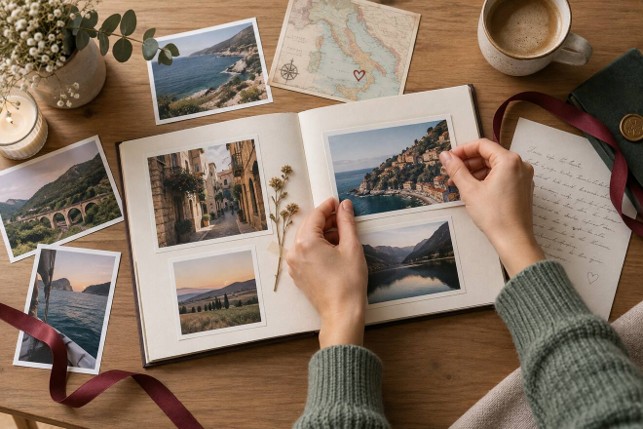
Read more: The Complete Guide to Personalized Gifts That Feel Thoughtful
7. Thoughtful Upgrades for Everyday Life
A partner who owns many things may still use an item every day that is worn, inconvenient, or poorly suited to their routine. A thoughtful upgrade begins with an observed habit. It should improve something they already do rather than introduce an unfamiliar lifestyle:
- A better version of a kitchen tool they use frequently.
- A comfortable addition to an established reading or relaxation routine.
- A durable travel accessory for a frequent traveler.
- A quality organizer that replaces one that no longer works well.
- A workspace accessory that addresses a problem they have mentioned.
- A reliable replacement for an item they use and replace often.
- A carefully selected accessory for a hobby you understand well.
Do not replace something merely because it looks old. Familiar objects can have sentimental value, and specialized items may involve preferences you cannot see. When fit, compatibility, or technical details matter, invite your partner into the final choice.
8. Consumable Gifts That Do Not Create Clutter
Consumables can feel indulgent without becoming permanent possessions. The safest choices are based on products, flavors, materials, or creative supplies your partner already enjoys:
- Coffee or tea from a place they genuinely like.
- Ingredients for a meal you will prepare together.
- A small food selection built around their actual tastes.
- Flowers chosen for their preferred style rather than for size alone.
- Skincare or bath products they already use and tolerate well.
- Art, gardening, or craft supplies for an existing hobby.
- A delivery from a favorite bakery or restaurant.
Avoid generic luxury baskets filled mainly for visual impact. One favorite item with a precise note often communicates more care than a large assortment the recipient must sort, store, or give away.
9. Gifts That Make Life Easier
Practical care can be romantic when it recognizes something your partner has been carrying. The gift may be a service, repair, completed task, prepared meal, or plan that gives them back time and energy:
- Take full responsibility for a task they dislike instead of only offering to help.
- Arrange a service that saves time and includes all necessary scheduling.
- Repair or replace something that causes regular frustration.
- Prepare meals or handle logistics during an unusually demanding period.
- Plan an upcoming trip or shared responsibility with their preferences in mind.
- Create protected rest time without leaving them to organize the break.
Frame practical gifts around shared responsibility and care, not around criticism. The message should be: I notice what takes your energy, and I want to make life easier, not You have failed to manage this.
10. Support a Passion Without Taking It Over
Supporting your partner’s interests shows respect for who they are outside the relationship. Hobby gifts can also be difficult because enthusiasts often have strong preferences and may already own the obvious equipment:
- Ask for a short wish list within one category.
- Choose credit from a specialist store they already use.
- Arrange an experience connected to the hobby.
- Pay for a class, event, workshop, or membership they have mentioned.
- Replace a consumable supply when you know the exact type.
- Select a book or resource from a respected person in the field.
Including your partner in part of the decision does not make the gift less thoughtful. It may show that you respect their knowledge and want the gift to be genuinely useful.
11. Meaningful Gift Directions at Different Budgets
Choose a budget that fits your finances and the expectations of your relationship. Spending beyond your comfort level can introduce anxiety or obligation. Meaning should increase through relevance, quality, or care-not simply through price.
| Budget | Strong direction | Example |
| Under $25 | Words, memories, or a favorite treat | A handwritten letter with a favorite dessert |
| $25–$50 | A small shared experience | A picnic, local event, or planned afternoon |
| $50–$100 | A personalized or practical gift | A photo book, class, or everyday upgrade |
| $100–$250 | A larger experience or quality item | A workshop, special dinner, or short trip |
| Over $250 | A milestone experience | Travel, commissioned art, or a long-planned activity |
These ranges are not rules. A modest gift connected to a real memory can have more impact than an expensive product selected without personal consideration.
Read more: Meaningful Gifts by Budget: Thoughtful Ideas From $10 to $100
12. What to Avoid
12.1 Buying Something Expensive Just to Make an Impression
Price may reflect quality, but it cannot replace understanding. An unusually expensive gift can also create discomfort when it falls outside the financial expectations of the relationship.
12.2 Choosing What You Want Them to Enjoy
A gift should fit your partner rather than your preferred version of them. Exercise equipment, self-improvement programs, unfamiliar styles, and unsolicited hobby equipment can feel critical when the interest did not come from the recipient.
12.3 Giving a Household Item That Mainly Benefits Everyone
A shared appliance or household purchase is not automatically a personal gift. It may be appropriate when your partner genuinely wants it, but ordinary shared expenses should not be presented as romantic gestures without considering how they will be received.
12.4 Creating More Work
Pets, plants, subscriptions, complex experiences, and large decorative objects may introduce maintenance, storage, scheduling, or cancellation work. Consider the full responsibility that arrives with the gift.
12.5 Ignoring a Request for Simplicity
When your partner asks for no large gift, treat that preference as meaningful information. A favorite meal, a sincere letter, or quiet time together may be the more respectful choice.
13. A Five Question Final Check
- Is it personal? Can I explain why this gift fits my partner specifically?
- Is it appropriate? Does it match the stage, tone, and financial expectations of our relationship?
- Is it easy to receive? Will my partner need to store, maintain, exchange, schedule, or manage it?
- Does it create meaning or reduce friction? Will it support connection, memory, comfort, interest, or ease?
- Am I confident about the details? Have I checked size, timing, accessibility, taste, privacy, and return limitations?
If several answers depend on assumptions, simplify the gift or involve your partner in the final decision.
14. How to Make a Simple Gift Feel More Meaningful
Presentation should clarify why you chose the gift rather than hide a generic choice behind elaborate packaging. Add a short note that answers three questions: What made you think of this gift? What do you appreciate about your partner? What do you hope the gift will add to their life?
For an experience, explain why it suits them and handle the practical details. For a memory gift, name the story behind the photograph, place, or date. For an everyday upgrade, mention the habit or moment you noticed. This communicates attention rather than convenience.
15. Quick Decision Guide
- They dislike clutter: choose an experience, service, consumable, or digital gift.
- They value quality time: plan a manageable activity with protected time together.
- They are sentimental: preserve one coherent memory through photographs, letters, or art.
- They are practical: upgrade something they already use or remove an everyday frustration.
- They are extremely busy: complete a responsibility or create a genuine break.
- They have specific tastes: involve them in the final selection.
- They enjoy learning: choose a class, workshop, book, or membership.
They say they want nothing: keep the gesture simple and focus on attention, time, or appreciation.
16. Frequently Asked Questions
16.1 What do you give a partner who says they want nothing?
Respect what they have said. Consider a handwritten letter, a favorite meal, a planned day together, or taking responsibility for something that gives them more time to rest.
16.2 Are experience gifts better than physical gifts?
Not always. Experiences work well for people who value time and memories, while others prefer useful or lasting objects. The better gift is the one that matches the recipient.
16.3 How much should I spend on a gift for my partner?
Spend an amount that is comfortable and appropriate for your relationship. A gift should not create financial strain or pressure the other person to match its value.
16.4 Is it acceptable to ask my partner what they want?
Yes. Ask for several options, a category, or guidance about size, color, or style. Thoughtfulness does not depend on guessing correctly.
16.5 What if my partner buys everything they want?
Focus on what they cannot buy in the same way for themselves: your planning, personal words, shared memories, attention, or relief from an everyday responsibility.
16.6 Should I choose several small gifts or one main gift?
One well-chosen gift is usually stronger than several unrelated items. Additional pieces should support the same idea rather than add volume for its own sake.
17. Final Thought
The best meaningful gifts for a partner who has everything are rarely about discovering a completely new object. They come from understanding what your partner values and choosing a gift that reflects that knowledge.
Pay attention to how they spend their time, what brings them comfort, which memories they treasure, and where everyday life creates unnecessary friction. Then choose one clear idea. It may be a shared experience, a preserved memory, an everyday upgrade, practical help, or a few honest words. What matters most is that your partner can recognize themselves-and your relationship-in the gift.
