Gifts by Recipient
Useful Gifts for a New Friend Who Has Everything Without Creating Clutter
Sep
A relationship-first guide to gifts that are useful, easy to enjoy, and appropriately low-pressure.
1. The Short Answer
The best gift for a new friend who seems to have everything is usually small, usable, and easy to receive. Choose something they can consume, use in an existing routine, enjoy as a simple experience, or pass along without guilt. The goal is not to prove how well you know them. It is to show that you noticed one real detail and responded with care.
A bag of coffee from the shop they mentioned, a bakery treat for a weekend visit, a practical upgrade to something they already use, or an invitation to a low-key activity can all work. Keep the price proportionate to the friendship, avoid objects that require display or storage, and include a brief note that removes any expectation of repayment.
2. A Familiar New-Friend Moment
You have known someone for a few weeks or a few months. You enjoy talking with them, and the friendship feels promising, but it is still taking shape. Then a birthday, invitation, small milestone, or I saw this and thought of you” moment arrives. You want to bring something. The problem is that they appear to own everything they need-and a large or deeply personal gift would feel too intense.
This is where many gift guides become unhelpful. They offer a long list of products without asking what the gift will communicate. In a new friendship, the message matters as much as the item: I pay attention, I value this connection, and there is no pressure attached.

3. Start With the Clue, Not the Product
Before shopping, identify the smallest reliable clue you have. You do not need a complete profile of the person. One repeated preference is enough. Perhaps they always order tea, bring lunch to work, walk their dog after dinner, browse a particular bookstore, keep a demanding schedule, or talk about trying a local class.
Turn that clue into a category rather than a highly specific object. They enjoy tea points toward a small sampler or a café visit-not an elaborate tea set. They like cooking might suggest a high-quality ingredient-not a countertop appliance. This approach keeps the gift observant without pretending the friendship is more established than it is.
Read more: How to Choose a Meaningful Gift for Anyone
4. Choose a Gift Path
Instead of scrolling through dozens of unrelated ideas, choose the path that best matches what you actually know. Each path solves a different gifting problem.
4.1 The Use It Up Path
Consumable gifts disappear through enjoyment rather than becoming another possession. They are especially useful when you have limited knowledge of the person’s home, style, or available space:
- A small bag of locally roasted coffee or a tea sampler
- A bakery box sized for one household, not a party
- A good olive oil, spice blend, or specialty ingredient tied to a known interest
- A modest box of chocolate or another treat that fits their preferences
- Fresh flowers in a simple wrap when you know they enjoy them
Check allergies, alcohol preferences, and dietary restrictions when relevant. If you do not know, choose a clearly labeled, broadly shareable option and keep the quantity modest.
4.2 The Make a Routine Better Path
A useful gift works best when it improves something the recipient already does. It should not assign them a new hobby or ask them to change their life. Think of a small upgrade: a compact umbrella for a daily commuter, a quality pen for someone who always takes notes, a portable phone stand for frequent video calls, or a gift card to the lunch spot they already visit.
Avoid helpful gifts that could sound corrective. Fitness gear, organization systems, skincare, self-improvement books, and cleaning tools can carry an unintended message unless the person specifically requested them.
4.3 The Do Something Together Path
An experience can create connection without creating storage. For a new friend, make it flexible and casual: coffee at a place you have discussed, two tickets to a neighborhood event, a bookstore visit with a small spending limit, a museum afternoon, a beginner workshop, or a picnic with takeout.
Phrase the invitation so it can be accepted later or declined comfortably. I thought this could be fun if you are free sometime feels lighter than choosing a fixed date without asking.
4.4 The Tiny Personal Detail Path
Personalization does not have to mean a monogram or custom engraving. It can simply mean selecting a useful item in their favorite color, adding a note that recalls a shared joke, or choosing a local product connected to a conversation. For a new friendship, light personalization is usually better than a permanent object bearing a name, date, or portrait.
Read more: The Complete Guide to Personalized Gifts That Feel Thoughtful
5. The Gift-Choice Matrix
| What you know | Best direction | Example | Why it stays low-clutter |
| Their daily drink | Consumable | Small coffee or tea selection | It is used and gone |
| Their schedule is packed | Convenience | Lunch or café gift card | It supports an existing routine |
| They enjoy local places | Shared experience | Museum, market, or casual outing | The memory is the gift |
| One clear hobby | Refill or supply | One quality item they already use | No new hobby system required |
| Very little | Shareable treat | Bakery item with a short note | Warm but not overpersonal |
| They dislike waste | Digital or charitable | E-book credit or donation to a named cause | No physical storage |
6. Useful Gift Ideas That Do Not Become Clutter
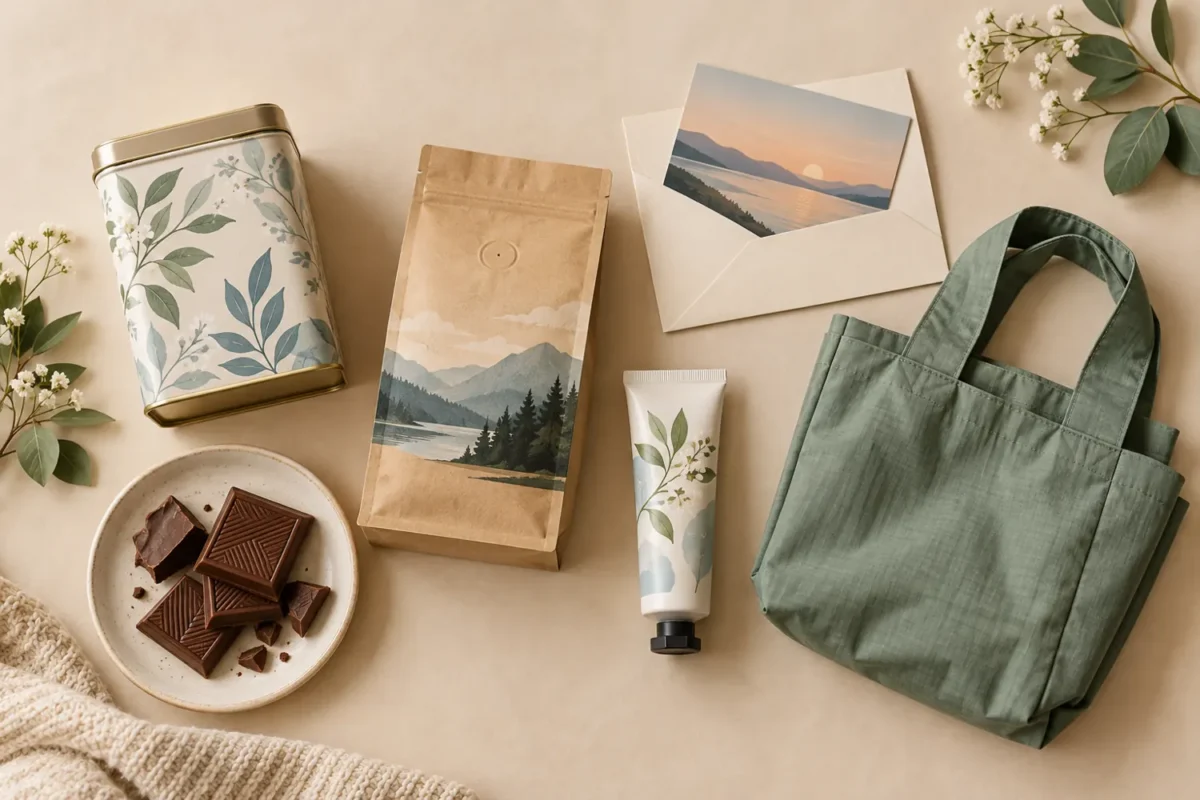
- 1. A favorite-place credit. A modest gift card to a café, bakery, lunch counter, bookstore, garden center, or movie theater they already enjoy. Pair it with a sentence explaining the connection.
- 2. A one-evening treat. Choose an amount and quantity that can be enjoyed immediately: a dessert, snack pairing, mocktail ingredients, or a small movie-night selection.
- 3. A practical mini upgrade. Replace a frequently used inexpensive item with a slightly better one only when you know their routine-such as a pen, charging cable, travel mug lid, or compact tote.
- 4. A low-key local experience. Offer admission, a class contribution, or an invitation to a free event plus coffee. Confirm the date before buying anything nonrefundable.
- 5. A digital pleasure. An audiobook, e-book, music, gaming, or app credit can work when the platform is known. Avoid subscriptions that create future charges or cancellation work.
- 6. Something fresh. Flowers, herbs, or seasonal fruit can be lovely when they suit the recipient. Skip plants if you do not know whether they want the responsibility.
- 7. A contribution with context. If they have named a cause they support, a small donation can be meaningful. Do not guess at political, religious, or deeply personal causes.
- 8. A useful host-style gift. For a home invitation, bring something designed to be consumed or shared. Tell the host it is for later so they do not feel required to serve it immediately.
7. Run the Five-Question Clutter Check
Before buying, ask five quick questions. If you answer no or I do not know repeatedly, switch to a consumable or an experience:
- Will this be used within the next month?
- Does it fit a routine I have actually observed?
- Can it be enjoyed without displaying, maintaining, or storing it?
- Can it be passed along without guilt if it is not a fit?
- Would the gift still feel appropriate if the friendship remains casual?
This filter catches common mistakes: decorative signs, novelty mugs, bulky hobby kits, strongly scented products, framed photos too early in a friendship, and objects that reflect the giver’s taste more than the recipient’s life.
8. Keep the Price in Proportion
A thoughtful new-friend gift rarely needs to be expensive. In many situations, about $10 to $30 is enough to mark the occasion without creating a sense of debt. A slightly higher amount can make sense for a shared experience or a group gift, but price should never carry the emotional weight of the gesture.
When uncertain, go smaller and add context. A $12 item connected to a real conversation often feels more personal than a $75 object chosen from a generic bestseller list. The note turns recognition into meaning.
9. Give It Without Creating Pressure
New friends may not know your gifting habits. Make the exchange easy by keeping the presentation simple and the language light. Do not apologize for the gift, announce the price, or insist on an immediate reaction.
Try one of these notes:
- You mentioned liking this place, so I thought you might enjoy a little treat there.
- No occasion and no need to return the favor-I saw this and thought of our conversation.
- I brought something small for later. Please do not feel you need to open or serve it now.
- I would love to do this together sometime, but there is absolutely no pressure on timing.
If the person says they do not exchange gifts, respect that boundary. A warm message, shared walk, or simple invitation can carry the same care without creating an object or obligation.
Read more: Gift Ideas by Recipient: Find the Right Gift for Every Relationship
10. What to Avoid
- Large décor items or anything that assumes available shelf space.
- Humorous gifts that depend on intimacy you have not built yet.
- Clothing, fragrance, or personal-care products without clear knowledge of preferences.
- High-cost gifts that may make the recipient feel indebted.
- Items connected to health, weight, age, dating, or self-improvement.
- A personalized keepsake that makes the relationship seem more established than it is.
- A surprise experience with a fixed, inconvenient, or nonrefundable date.
The issue is not that these categories are always bad. They simply require more knowledge, consent, or relationship history than a new friendship may provide.
11. Frequently Asked Questions
11.1 Is a gift card too impersonal for a new friend?
Not when it is tied to something specific you noticed. A generic card can feel transactional; a small credit to the café they visit, bookstore they mentioned, or local place you discussed feels observant and useful.
11.2 What if I know almost nothing about their tastes?
Choose a small shareable consumable, offer a casual experience, or write a warm note. Avoid guessing at décor, fragrance, clothing, hobbies, or food restrictions.
11.3 Should I ask what they want?
Yes, especially for birthdays or when a group is planning something. A simple question can be considerate: Would you prefer a small treat, an outing, or no gift at all?
11.4 Are plants considered clutter-free?
Only for someone who wants and enjoys caring for plants. A plant is a living responsibility, so it is not automatically a low-clutter choice.
11.5 What if they truly have everything?
Stop trying to add a possession. Offer time, convenience, something consumable, or a gesture that supports an interest they already have.
12. Final Takeaway
The most useful gift for a new friend is not the cleverest object. It is a proportionate gesture that fits one real detail, enters their life easily, and leaves no obligation behind. Start with a clue, choose a low-clutter path, apply the five-question check, and let a short note explain why you chose it. That combination feels personal without becoming heavy-and thoughtful without taking up permanent space.